

Seeing Your Home Through a Buyer's Eyes
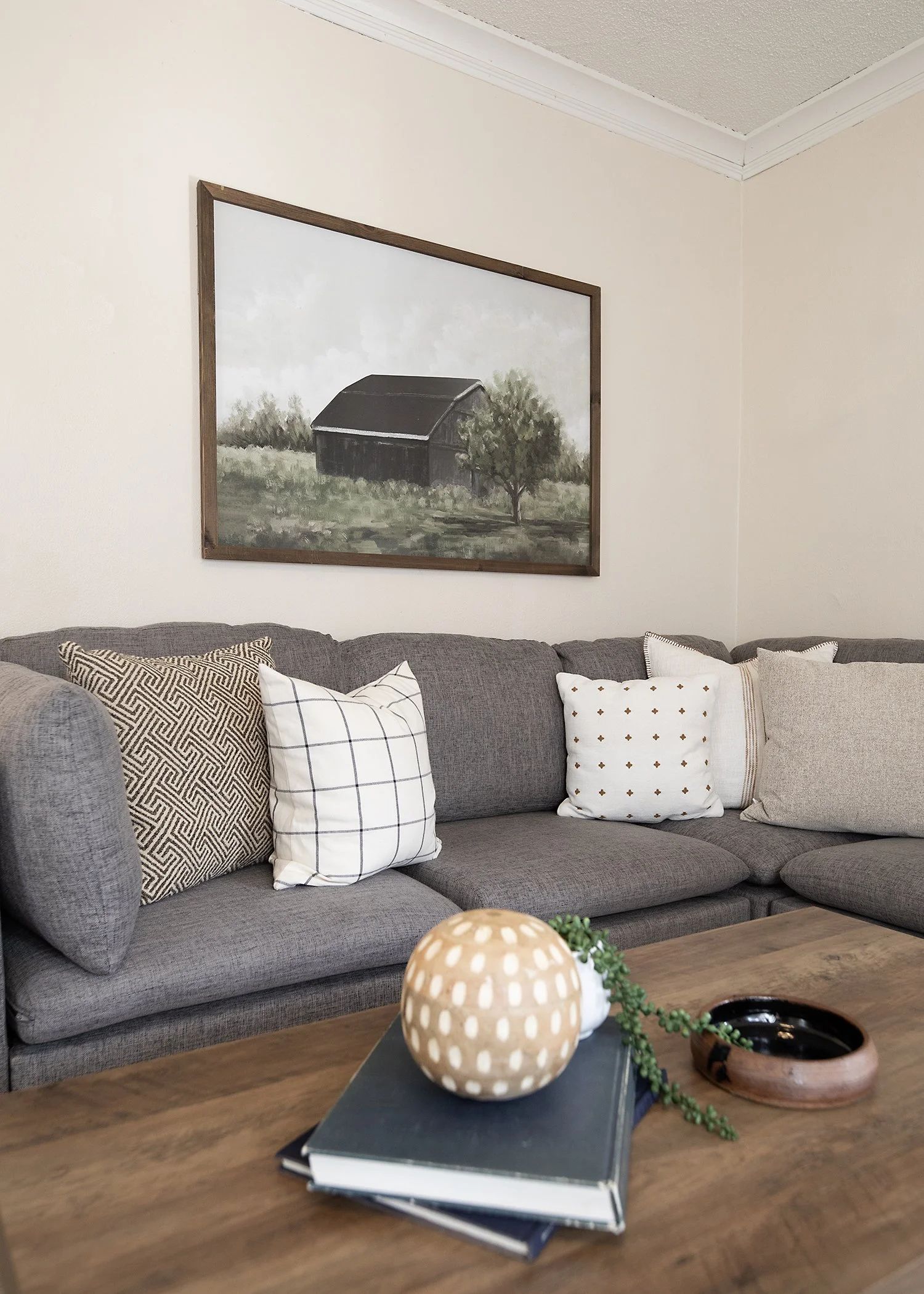
What stands out, what gets overlooked and what can quietly influence a buyer's impression.When you've lived in a home for years, you stop seeing certain things.
The awkward spot where everyone drops their shoes feels normal. You know the dining room is larger than it looks because you've fit twelve people around the table. The loose cabinet handle barely registers anymore. And you know that the room at the end of the hall works perfectly as an office, even if right now it's holding everything you haven't figured out where to put.
A buyer doesn't have any of that context.
They're experiencing your home for the first time, often after seeing several others online or in person. They're taking in the rooms, condition, light, space and finishes, but they're also forming impressions they may not consciously recognize.
That's why one of the most valuable things you can do before listing is learn to look at your home a little less like its owner and a little more like its buyer.
HOMEOWNERS SEE THINGS. BUYERS READ SIGNALS.
A buyer probably won't walk through your house keeping score of every scuffed baseboard or older light fixture.
Instead, all of those individual details begin to tell a larger story.
A clean entry, freshly touched-up trim and well-maintained fixtures can communicate that a home has been cared for.
Several loose handles, burned-out bulbs and unfinished repairs can quietly suggest the opposite.
The same thing happens with space. Buyers aren't calculating the dimensions of every room as they enter it. They're experiencing whether it feels open or crowded, light or dark, comfortable or awkward.
Understanding those signals can help you decide what deserves attention before your home hits the market.
1. Has This Home Been Cared For?
One of the first things buyers are evaluating is condition.
That doesn't mean they're expecting everything to be new.
An older kitchen can feel completely different when the cabinets are clean, the hardware is intact, the counters are clear and everything appears well maintained. Likewise, an older bathroom can present perfectly well when the grout and caulk are clean, the faucets work properly and nothing feels neglected.
What can become concerning is the accumulation of small maintenance issues.
A dripping faucet probably isn't going to prevent someone from buying your home. Neither is a loose doorknob. But when a buyer encounters one unfinished repair after another, they may begin wondering about the things they can't see.
The little things don't always stay little when they begin telling a bigger story.
2. How Much Space Is Really Here?
Square footage is a number.
The way a home feels is something different.
A generously sized living room can appear surprisingly small when oversized furniture interrupts the pathways through it. A dining room can feel cramped when the table is too large for the space. A closet packed from floor to ceiling can leave buyers wondering whether there is enough storage.
This is one reason editing a home before listing can make such a noticeable difference.
You aren't simply removing belongings to make the house look tidy. You're allowing buyers to understand the space.
Think about walking paths. Consider whether furniture is helping define the room or overwhelming it. Give countertops and shelving some breathing room. Edit closets enough that buyers can see their actual capacity.
You don't need to empty the house.
You need to make the space easy to see.
SPACE ISN'T JUST SQUARE FOOTAGE.
It's how easily a buyer can see and understand it.
3. How Much Work Will I Have to Do?
Buyers aren't just looking at what a home is today. They're often mentally calculating what happens after they move in.
A room that needs paint may feel like a Saturday project.
A room that needs paint, new flooring, a light fixture and several repairs can suddenly feel like a renovation.
That perception matters because buyers don't always estimate projects accurately. What looks like a manageable list to a homeowner may feel much larger to someone seeing the property for the first time.
This doesn't mean sellers should renovate every dated room before listing.
It means addressing the right small things can prevent manageable imperfections from collectively creating the impression that the entire home needs work.
4. Does the Home Feel Current Enough?
There is an important difference between dated and neglected.
A home can have oak cabinetry, an older bathroom or countertops that aren't currently trending and still feel inviting, well maintained and relevant.
Likewise, a home can have relatively current finishes and still feel tired if the lighting is poor, walls are heavily marked or maintenance has been deferred.
DATED AND NEGLECTED ARE NOT THE SAME THING.
Before replacing something simply because it isn't new, look at the room as a whole.
Could better lighting help? Would removing visual clutter change the way the finishes read? Would updated hardware give the cabinetry a subtle lift? Could fresh towels and thoughtful styling make an older bathroom feel cared for rather than outdated?
Sometimes an update is absolutely worthwhile.
But sometimes what a room needs isn't replacement. It's better presentation.
5. Can I Understand How I Would Live Here?
We often hear that staging helps buyers “visualize themselves in a home.”
That's true, but there's a practical side to that statement that is even more important.
Buyers are trying to answer questions.
Will my sofa fit here?
Can we comfortably seat six people for dinner?
Could this room work as a home office?
Is there space for a king-sized bed?
Where would the television go?
What do we do with this unusual little room?
Good furniture placement and staging help answer those questions before buyers have to ask them.
Every room doesn't need to be elaborately styled. But when the purpose, scale or layout of a space isn't immediately clear, showing buyers one good solution can be surprisingly valuable.
6. How Does This Home Compare?
Your home isn't being considered in isolation.
Buyers may have toured another property yesterday and have three more saved online for tomorrow. They're comparing location, price, condition, layout, features and, inevitably, how each home makes them feel.
That doesn't mean your house needs every feature the competition has.
One property may have the renovated kitchen. Yours may have the better yard. Another may have more square footage, while yours has better natural light and a layout that lives particularly well.
Preparing a home for market is partly about making sure its strengths aren't buried beneath things that could have been addressed relatively easily.
The goal isn't to turn your home into something it isn't.
It's to make what is already good about it easier for buyers to recognize.
What Buyers May Notice Less Than You Think
Homeowners can become very focused on the things they know aren't perfect.
The older countertop. The flooring with normal signs of wear. A bathroom tile that isn't today's trend. Furniture that has seen better days. A bedroom that's smaller than you'd like.
Buyers may notice these things, too.
But noticing something isn't the same as rejecting a home because of it.
Condition, price point, competition and the rest of the property all provide context. An older finish in a home that otherwise feels clean and cared for can read very differently from that same finish surrounded by visible deferred maintenance.
Before assuming something needs to be replaced, ask whether it is truly interfering with the buyer's ability to appreciate the home.
Sometimes it will be.
Sometimes it won't.
And knowing the difference can save a seller a considerable amount of unnecessary work and expense.
TRY THE BUYER-EYES WALKTHROUGH
Before you make another pre-listing list, experience your home from the beginning.
If you've lived in your home for a long time, seeing it objectively isn't easy. Try changing the way you walk through it.
Leave the house for a while. When you return, begin at the street rather than in the kitchen or living room.
Walk toward the house using the path a buyer will use. Stop at the front door. Enter the house and move through it in the order a visitor naturally would.
Don't straighten anything. Don't make a repair along the way. Just observe.
Ask yourself:
What catches my attention first?
Is it the thing I want someone to notice?
Where does a room feel smaller or darker than I know it actually is?
Does anything make me wonder whether work needs to be done?
Can I immediately understand the purpose of each space?
What is the one thing I would want a buyer to remember about each room?
Then take a few photographs with your phone.
Photographs have a funny way of revealing what our eyes have learned to ignore. A crowded corner, too much furniture, an awkward layout or a distracting object can become much more obvious when you're looking at a two-dimensional image instead of standing in the room.
You may find that your pre-listing list changes.
And that's the point.
MAKE THE HOME EASY TO CHOOSE.
A buyer doesn't need to believe your home is perfect.
They need to understand it.
They need to see the space, recognize that it has been cared for and notice the features that make it worth considering. They need to be able to imagine how the home could work for them without unnecessary distractions getting in the way.
And ultimately, they need enough reasons to choose it over the other properties they're considering.
Looking at your home through a buyer's eyes doesn't mean stripping away everything that makes it yours.
It simply means recognizing that, for the first time in a long time, you're preparing the home for someone who doesn't already know everything that's good about it.
Your job is to help them see it.
Sometimes a Fresh Set of Eyes Is All You Need
One of the hardest parts of preparing a home for sale is seeing a familiar space objectively.
A Winsome Home Strategy Session is designed to do exactly that. We walk through the property from a buyer's perspective, identify the areas most likely to influence their impression and help prioritize the changes that are worth making before the home goes to market.
Because good preparation isn't about finding everything that's wrong with a home.
It's about making sure buyers notice what's right with it.