

Where Should You Spend Before You Sell?
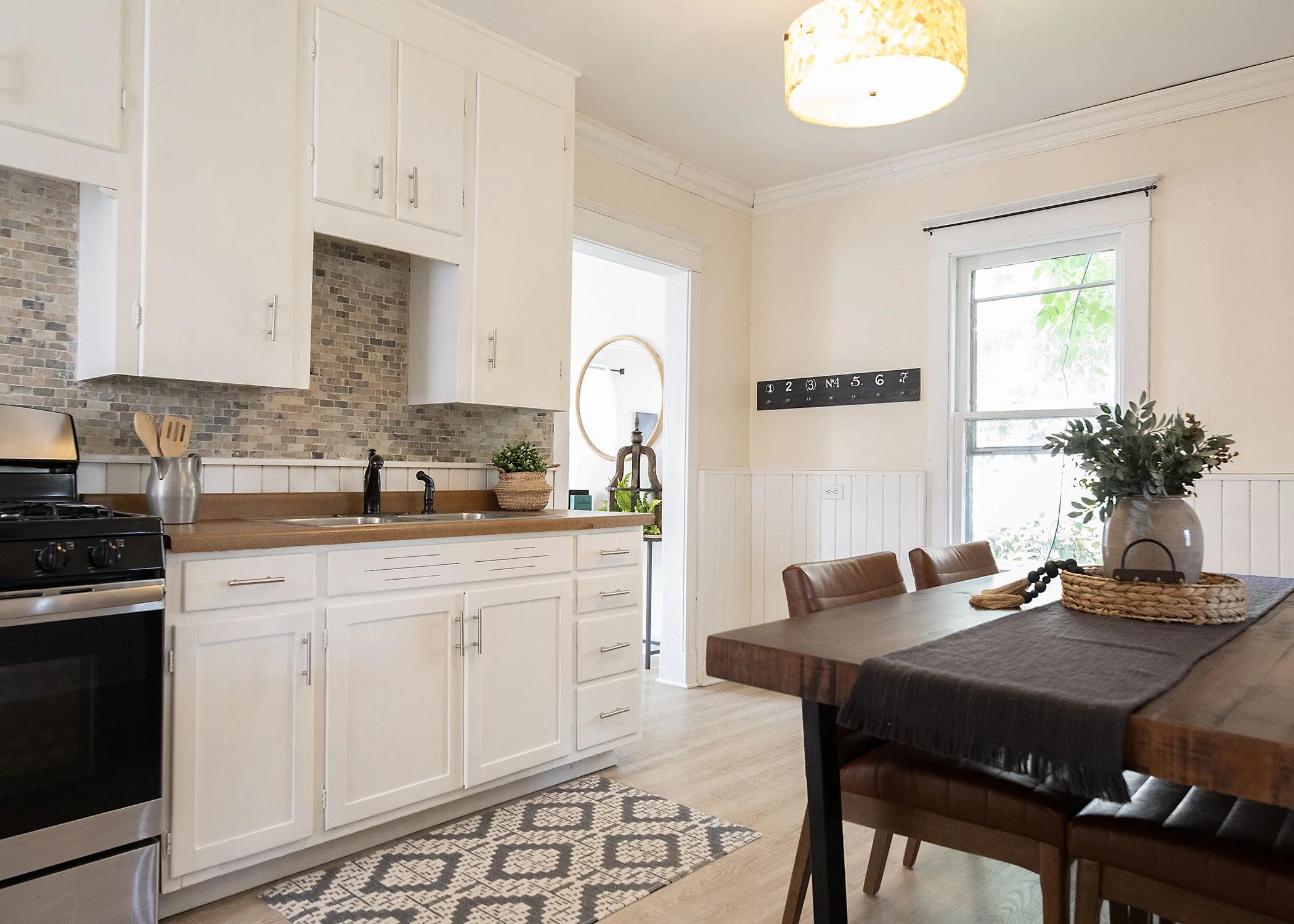
Not every improvement deserves your money. Here’s how to decide which ones do.Once you decide to sell your home, it can be surprisingly easy to start spending money on it.
A fresh coat of paint seems like a good idea. The kitchen could use new hardware. Maybe the light fixtures should be replaced. The carpet has seen better days. And if you're already doing all of that, perhaps the countertops should go too.
Suddenly, preparing your home for market starts looking a lot like renovating it.
Some improvements absolutely are worth making before you sell. Others may make very little difference to a buyer, even when they make a noticeable difference to you.
The challenge isn't finding things you could improve.
It's figuring out which improvements are most likely to change the way buyers experience your particular home.
DON'T START WITH A BUDGET.
Start with the problem you're trying to solve.
Before choosing paint colors or shopping for new fixtures, step back and ask why you're considering the improvement in the first place.
-Is something broken or poorly maintained?
-Does a room feel dark or dated?
-Is there one feature drawing attention away from everything else?
-Will the improvement make the home feel more move-in ready?
-Or is it simply something you've wanted to change for years?
Those are very different reasons to spend money.
When you're preparing to sell, your goal isn't to finally finish every project on your wish list. It's to identify the things that may be standing between buyers and a positive impression of the home.
1. Clean and Repair Before You Upgrade
This is almost always the right place to begin.
A thoroughly cleaned and well-maintained home can make older finishes feel perfectly acceptable. The reverse is also true: new finishes don't compensate very well for a home that feels neglected.
Before replacing anything, look for the basics.
Deep clean floors, windows, kitchens and bathrooms. Address stained grout or failing caulk. Repair loose hardware. Fix dripping faucets. Replace burned-out bulbs. Clean exterior surfaces and take care of small repairs you've learned to live with.
Individually, these aren't exciting projects.
Collectively, they can have a significant effect on how cared for a home feels.
A new light fixture can't make a poorly maintained room feel cared for.
Take care of what you have first. Then decide what actually needs to be changed.
2. Paint When Paint Is Actually the Problem
Painting is one of the most commonly recommended pre-sale improvements, and for good reason. In the right situation, it can change an entire room relatively quickly.
But that doesn't mean every seller needs to repaint the entire house.
Paint deserves attention when walls are heavily marked or damaged, colors are particularly strong or distracting, or several competing colors make the home feel visually disjointed. Fresh paint can also help when a room feels noticeably tired or photographs poorly.
On the other hand, walls that are neutral, clean and in good condition may be perfectly fine.
Targeted painting is often more useful than automatically painting everything.
And use caution with touch-ups. Unless you have the original paint, differences in color or sheen can make patched areas more noticeable than the marks you were trying to cover.
The question isn't simply, “Would fresh paint look better?”
Of course it would.
The better question is, “Would painting this noticeably improve the way the home presents?”
3. Make the Most of Your Lighting
Lighting has an enormous influence on how a home feels, but improving it doesn't necessarily mean replacing every fixture.
Begin with the simplest things.
Replace burned-out bulbs. Make sure bulbs within a room have a consistent color temperature. Open blinds and shades where appropriate. Clean dusty fixtures and glass shades. Remove heavy window treatments if they're unnecessarily limiting natural light.
Then step back.
Does the room still feel dark? Is one fixture noticeably dated, undersized or visually heavy? Is there an area where a floor or table lamp would improve the space?
Sometimes replacing a fixture is a worthwhile investment.
Sometimes the fixture was never really the problem.
OPTIMIZE BEFORE YOU UPGRADE.
Use what you already have well before assuming it needs to be replaced.
4. Look for Small Changes With a Larger Effect
This is often where pre-sale dollars can work particularly hard.
Cabinet hardware, a dated vanity mirror, a worn faucet, old switch plates or an inexpensive light fixture may be relatively small pieces of a room, but changing the right one can shift the overall impression.
The key is restraint.
You don't need to update every small item simply because inexpensive alternatives exist. Look for the one or two details making an otherwise acceptable space feel noticeably older or less cared for.
A bathroom vanity may not need to be replaced if fresh hardware, clean caulk and a more current mirror are enough to give the room a lift.
Kitchen cabinets may not need painting if they're in good condition and simply need cleaning and updated hardware.
Small improvements are most effective when they support what is already there rather than beginning a chain reaction of additional projects.
5. Know When Flooring Is Really the Problem
Flooring can have a large visual presence in a home, which makes its condition important.
Noticeably stained carpet, badly damaged flooring or surfaces in poor repair can affect a buyer's perception of an entire room.
But older and damaged aren't the same thing.
Before replacing flooring, find out whether professional cleaning, repair or refinishing could solve the actual problem.
And if replacement really is warranted, consider the home and price point before choosing the least expensive option simply because it will be new.
NEW DOESN'T AUTOMATICALLY MEAN BETTER.
Especially when you're choosing something quickly for someone else.
A thoughtful existing material in reasonable condition can sometimes be preferable to an inexpensive replacement chosen solely for resale.
6. Spend Where Buyers First Meet the House
Curb appeal matters, but improving it doesn't have to mean redesigning the landscape.
Pay particular attention to the path buyers actually take.
Trim overgrown landscaping. Pull weeds. Refresh tired mulch where needed. Clean the siding and exterior surfaces around the entrance. Wash dirty garage doors. Make sure exterior lights work. Replace a worn welcome mat.
And look closely at the front door.
Because buyers often spend a few moments standing there while an agent accesses the property, they have more time to notice it than you might think.
A tired door may simply need a good cleaning. In other cases, a fresh coat of paint can noticeably improve the entrance for relatively little expense.
Focus your exterior dollars where buyers will actually experience them.
7. Be Careful With Kitchens and Bathrooms
Kitchens and bathrooms tend to attract attention when sellers start making improvement lists, and they're also where budgets can escalate very quickly.
Before replacing cabinetry, countertops, flooring or tile, ask whether the room truly requires that level of investment.
Could cabinet hardware make enough of a difference?
Would better lighting help?
Does the faucet need replacing, or simply cleaning?
Would fresh caulk and grout make the bathroom feel significantly better maintained?
Could paint change the overall impression?
Sometimes a kitchen or bathroom genuinely does need more substantial work to compete well in its market.
But that decision should come after evaluating the smaller possibilities, not before.
You aren't renovating the room for yourself.
You're deciding whether the investment is likely to improve the home's position with buyers.
HOW MUCH SHOULD YOU SPEND?
There isn't a universal pre-listing budget.
A home that has been carefully maintained may need very little. Another may benefit considerably from a few thousand dollars spent strategically.
Instead of deciding on a number and then looking for ways to spend it, identify the home's most important needs first.
Still, it can be helpful to understand what different levels of investment might accomplish.
If You Have Around $500
Think basics first.
Minor repairs, replacement bulbs, cabinet hardware, caulk, cleaning supplies or professional help with particularly difficult areas, a fresh welcome mat and a few simple entry improvements can go a long way.
This is also a budget where editing, rearranging and using what you already own well become particularly important.
You may not be changing the house.
You're improving the way buyers experience it.
If You Have Around $2,500
Once the basics are covered, a budget in this range may allow for more targeted improvements.
That could mean painting the rooms that need it most, replacing a few particularly distracting fixtures, professional cleaning, improving the front entrance or addressing one issue that is disproportionately affecting the home.
The word targeted matters.
You don't need to spread $2,500 evenly throughout the house. One well-chosen improvement may accomplish more than ten small ones.
If You Have Around $5,000
At this level, there may be an opportunity to address a larger presentation issue.
Perhaps the main living areas need painting. Maybe worn carpet is affecting several rooms. The exterior may need more attention. Or a dated kitchen or bathroom could benefit from a concentrated cosmetic refresh.
But having $5,000 available doesn't mean you need to spend $5,000.
The objective remains the same: identify what will make the most meaningful difference to buyers and stop when the home is well prepared.
DON'T DIVIDE THE BUDGET BY ROOM.
Put the money where the problem is.
USE THE PRE-SALE SPENDING FILTER
Before committing money to an improvement, run it through these five questions.
1. What problem am I solving?
Is this maintenance, condition, presentation or simply personal preference?
2. How visible is the problem?
Will buyers encounter it immediately, or are you focused on it because you know it's there?
3. Is there a smaller solution?
Could cleaning, repairing, painting, editing or styling accomplish enough without replacing it?
4. Is the improvement appropriate for the home?
Consider the home's price point, condition, competition and likely buyer. The right investment for one property may make very little sense for another.
5. Will it improve the overall impression?
Some improvements change the way an entire room feels. Others simply give you one new object in the middle of an unchanged space.
And then ask one final question:
What happens if I don't do it?
If the answer is, “Buyers will probably notice this immediately,” you've learned something.
If the answer is, “Probably nothing,” you've learned something too.
SPEND TO SOLVE PROBLEMS.
Not simply to make things new.
Preparing your home for sale isn't about squeezing in every improvement you've considered over the years.
It's about making thoughtful choices.
Clean what can be cleaned. Repair what should be working. Improve the things that are disproportionately affecting the home's presentation. And be willing to leave alone the things that aren't standing between a buyer and a positive impression.
Sometimes $500 spent in the right places can accomplish more than several thousand dollars spent without a plan.
The best pre-sale investment isn't necessarily the biggest one.
It's the one that helps buyers see more of the value that's already there.
Before You Start Spending
When you're close to a home, it can be difficult to know which projects buyers will care about and which ones can safely stay on the someday list.
A Winsome Home Strategy Session helps prioritize those decisions before the work begins. We evaluate the home from a buyer's perspective, identify the improvements most likely to make a meaningful difference and look for simpler solutions where a larger project may not be necessary.
Because the goal isn't to spend more preparing your home for market.
It's to spend wisely.