

Your Home Doesn't Need to Be Perfect to Sell Well
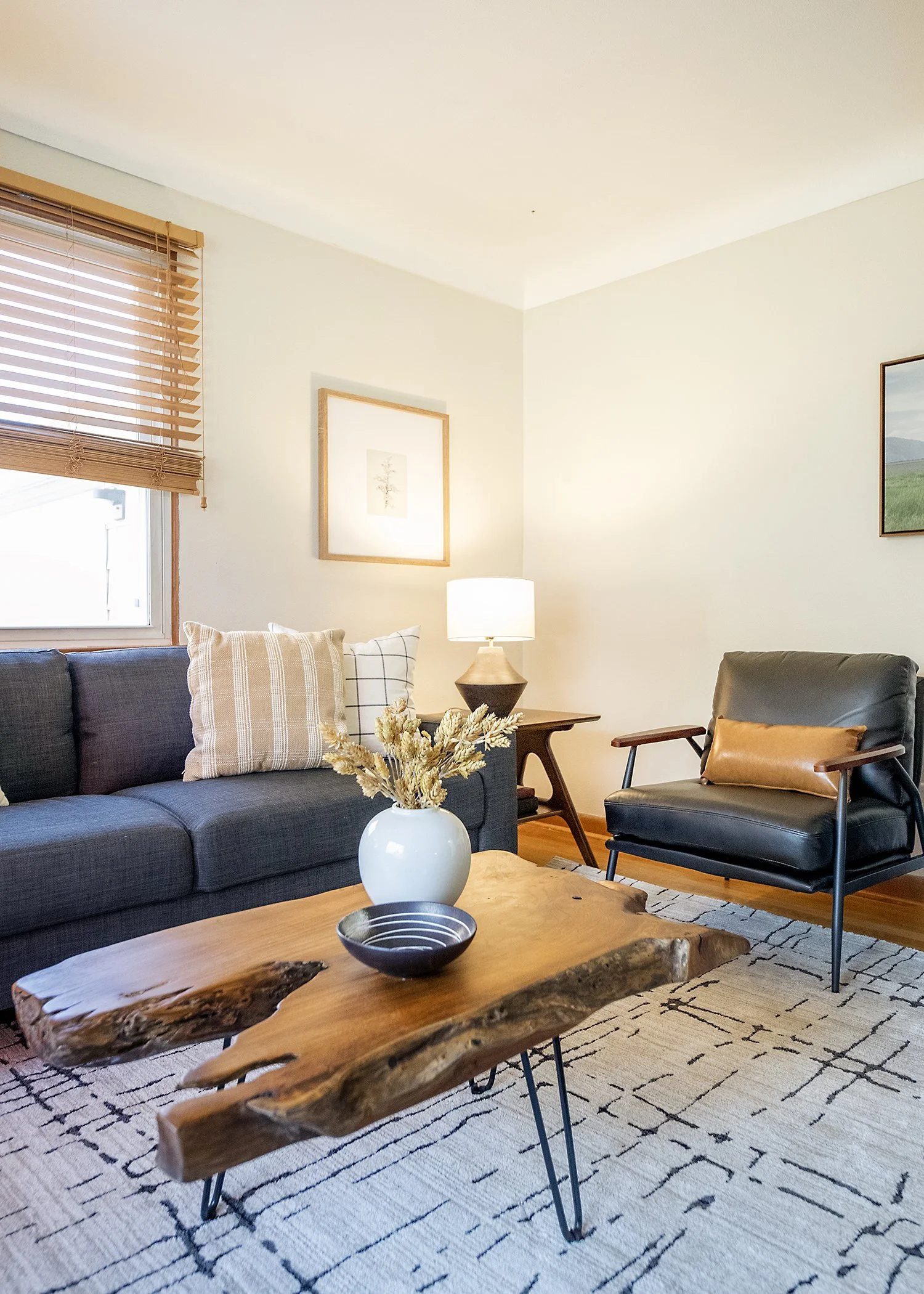
What Should You Fix Before You Sell, and What Can You Leave Alone?
Before you start spending, know what actually deserves your attention.
Once you decide to sell your home, it's surprisingly easy to find things that suddenly seem like they need to be fixed.
The scuffed walls. The older bathroom vanity. Worn flooring. Dated light fixtures. That cabinet you've been meaning to repair for three years.
Look long enough and almost every room can become a project.
But preparing a home for market isn't about making everything new. It's about identifying the things that affect how buyers experience the home and putting your time and money where they can make a meaningful difference.
Some things are worth fixing. Some are worth improving.
And some are perfectly fine to leave alone.
YOU DON'T NEED TO FIX EVERYTHING. YOU NEED TO KNOW WHAT MATTERS
Start With What Buyers See and Feel
Buyers don't typically walk through a home evaluating one imperfection at a time. They form an overall impression.
Does the home feel clean? Cared for? Bright? Spacious? Does anything make them wonder whether maintenance has been deferred? Can they easily understand how the rooms function?
They're also comparing your home, consciously or not, with the other properties available to them at a similar price.
An older countertop may not matter much when the kitchen is clean, well maintained and presented thoughtfully. A dripping faucet beneath that same countertop can send a different message.
The difference isn't necessarily new versus old.
Often, it's cared for versus neglected.
8 THINGS MOST HOMES BENEFIT FROM BEFORE LISTING
Focus on these essentials before deciding whether bigger improvements are necessary.
1. Take Care of the Small Repairs
Small repairs are often less about the repair itself and more about the message it sends.
Walk through your home looking specifically for things that are broken, loose or unfinished.
Door handles that wiggle. Cabinet doors that don't close properly. Missing switch plates. A dripping faucet. Loose trim. Burned-out bulbs. A door that sticks.
None of these things is likely to determine whether someone buys your house.
But when buyers encounter several of them, those small details can begin to create a larger impression that the home hasn't been maintained.
2. Clean More Than You Think You Need To
Few pre-listing investments are as universally worthwhile as a thorough cleaning.
Go beyond everyday cleaning and pay attention to windows, baseboards, doors, grout, appliances, vents, light fixtures, corners and the areas around handles and switches.
Don't forget the exterior. Cobwebs around the entry, dirty siding near the door, grimy garage doors and neglected exterior light fixtures all contribute to a buyer's first impression.
A clean home doesn't just look better.
It feels better cared for.
CLEAN IS AN UPGRADE.
*And it's one of the least expensive ones available.
3. Address the Paint That Is Actually a Problem
Not every home needs to be completely repainted before it goes on the market.
Focus first on walls that are heavily scuffed, damaged or unusually distracting. Trim with obvious wear may also deserve attention.
Strong or highly personal colors sometimes benefit from being neutralized, particularly when they dominate a room or make the space difficult to photograph.
But a few normal signs of everyday life don't necessarily justify repainting an entire house.
And be careful with touch-ups. If you don't have the original paint, a poorly matched patch can sometimes be more noticeable than the mark you were trying to cover.
Paint where it will noticeably improve the room, not simply because fresh paint appears on every pre-listing checklist.
4. Edit What Buyers See
Decluttering is standard advice, but the goal isn't simply to remove your belongings.
It's to make the home easier to see.
Clear enough from kitchen and bathroom counters that buyers notice the surfaces and available workspace. Edit bookshelves so they complement the room rather than dominate it. Reduce excess furniture when it makes a room feel smaller.
Closets deserve attention too. Buyers are trying to understand how much storage the home offers. A completely packed closet makes that difficult.
You don't need to remove every personal item or make your home feel sterile.
You simply want the home itself to become more visible than the things inside it.
5. Get the Lighting Right
Before replacing light fixtures, start with the basics.
Replace every burned-out bulb. Make sure bulbs within the same room have a consistent color temperature. Open shades and blinds where appropriate and evaluate whether any rooms still feel unnecessarily dark.
Then consider whether a particularly dated, undersized or visually heavy fixture is distracting from an otherwise appealing room.
Sometimes replacement makes sense.
Sometimes a new bulb is all you needed.
DON'T UPGRADE BEFORE YOU OPTIMIZE.
Use what you already have well before assuming it needs to be replaced.
6. Pay Attention to the Front Door
A buyer begins experiencing your home before they walk through it.
Stand at the street and approach your own front door as though you've never been there before.
Is the walkway clear? Are the landscaping and mulch tidy? Does the door need cleaning or paint? Is the hardware in good condition? Are the exterior lights clean and working? Is the welcome mat worn?
None of these needs to become a major landscaping project.
The goal is simply to make the entrance feel maintained and inviting.
You don't get a second chance at the walk to the front door.
7. Look for Signs of Deferred Maintenance
This is different from looking for dated finishes.
An older bathroom can still feel perfectly acceptable when it is clean and well cared for.
An older bathroom with peeling caulk, a dripping faucet, stained grout and a loose cabinet handle can make buyers begin wondering what else needs attention.
That distinction matters throughout the house.
Buyers don't necessarily expect everything to be new. But visible maintenance issues can make them question things they can't see.
When deciding what deserves attention, prioritize items that could cause a buyer to think:
“If they didn't take care of this, what else didn't they take care of?”
8. Give Every Room a Clear Purpose
Buyers shouldn't have to solve a room while they're touring your home.
An awkward spare room filled with storage may actually be a perfectly good home office. An oversized sectional can make a generous living room appear cramped. A dining room functioning as a temporary workspace can make it difficult to understand how comfortably a table fits.
Furniture placement, editing and staging help buyers understand the space they're considering.
You aren't showing them how you have to live in the house.
You're helping them see how they could.
SO, WHAT CAN YOU LEAVE ALONE?
Older doesn't automatically mean outdated enough to replace.
This is where sellers can spend a great deal of money unnecessarily.
A dated-but-functional countertop may be perfectly acceptable. Older cabinetry in good condition may simply need cleaning or updated hardware. Flooring with normal wear may not justify replacement. Older appliances that are clean and working may be fine.
Even a bathroom that isn't today's style may present well when it is clean, maintained and thoughtfully styled.
Whether something should stay or go depends on the home, its condition, price point, competition and likely buyer.
There isn't one pre-listing checklist that applies equally to every property.
Before taking on a larger improvement, ask:
Will changing this meaningfully improve the way buyers experience the home?
If the answer isn't clear, don't assume spending more is the solution.
COULD YOU IMPROVE IT? PROBABLY.
Should you? That's a better question.
THE FIX. IMPROVE. LEAVE-ALONE TEST.
When your pre-listing project list starts getting long, sort each item into one of three categories.
-FIX
Things that are broken, damaged, dirty or likely to suggest poor maintenance.
Prioritize these first.
-IMPROVE
Things that aren't necessarily wrong, but where a relatively modest investment could noticeably improve the home's presentation.
Paint, hardware, lighting, landscaping and simple cosmetic changes often fall here.
Evaluate these strategically.
-LEAVE ALONE
Things that are simply older, aren't distracting from the home's strengths, or would require more time and money to change than they're likely to contribute to the sale.
Give yourself permission not to fix what isn't actually a problem.
THE GOAL ISN'T A PERFECT HOME.
It's a home buyers feel confident choosing.
A well-prepared home doesn't have to disguise its age or pretend no one has ever lived there.
It should feel clean, cared for and intentional. Its rooms should make sense. Its best features should be easy to notice. And unnecessary distractions shouldn't prevent buyers from seeing what the property has to offer.
Good preparation isn't about doing more.
It's about knowing where your effort matters most.
Not Sure What Belongs on Your List?
It can be difficult to look objectively at a home you've lived in every day and determine which projects are worth tackling before you sell.
A Winsome Home Strategy Session provides an experienced set of eyes before the work begins. We walk through the home with you, identify what deserves attention, look for simple improvements that could make a meaningful difference and, just as importantly, point out what may be perfectly fine to leave alone.
Because the best pre-listing plan isn't necessarily the longest one.
It's the one that puts your time, energy and investment
where buyers are most likely to notice it.